


vipjl | The Evolution and Appeal of Simulation Games in Digital Entertainment
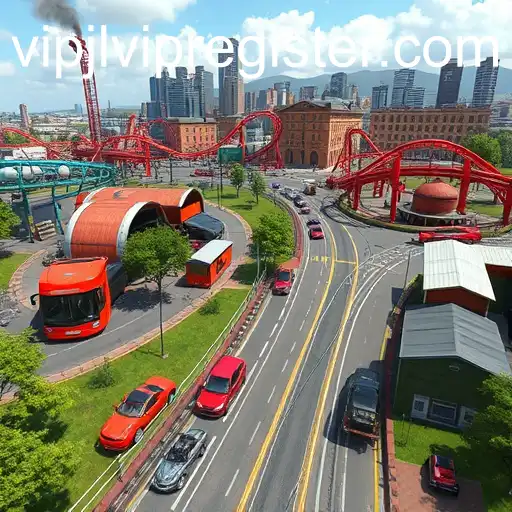
Simulation games represent a diverse and continually evolving genre within the digital entertainment industry. Known for their ability to mimic real-world activities, these games offer players the opportunity to engage in a wide range of experiences, from managing a bustling farm to piloting sophisticated aircraft. With the keyword 'vipjl' often associated with this category on various platforms, simulation games have carved out a niche that appeals to players seeking both entertainment and education.
The beginnings of simulation games can be traced back to the early days of computing when simple text-based simulations captivated audiences. These primitive games laid the groundwork for more sophisticated titles, allowing players to simulate life, work, and even entire societies. As technology advanced, so did the realism and complexity of simulation games, leading to a surge in their popularity.
One of the key elements that make simulation games appealing is their educational value. Many simulation games are designed to teach players about specific topics, such as city planning in games like "SimCity" or business management in titles like "RollerCoaster Tycoon." These games provide a safe environment for players to experiment and learn from their successes and failures without real-world consequences.
The genre's popularity can also be attributed to the sandbox nature of many simulation games. Unlike other genres that may follow strict narratives or set objectives, simulation games often allow players the freedom to create their own goals. This unrestricted gameplay can lead to hours of personalized entertainment as players explore the intricacies of the systems they control.
Moreover, technological advancements have broadened the scope of what simulation games can achieve. With the advent of virtual reality (VR) and augmented reality (AR), players can now immerse themselves in hyper-realistic environments that further blur the lines between digital and physical realities. This level of immersion makes the sensation of flying an aircraft, conducting a space mission, or even navigating urban traffic not just a screen-based experience, but a visceral one as well.
The community aspect of simulation games cannot be overlooked. Many titles offer multiplayer modes or allow player-generated content, fostering a sense of community and collaboration among enthusiasts. This interaction can lead to the sharing of strategies, tips, and creative modifications that enhance the longevity and replayability of these games.
As the market for simulation games continues to expand, developers are continually finding innovative ways to enhance realism and interactivity. Whether it's through more sophisticated storytelling, improved graphics, or incorporating real-world data, the future of simulation games promises to be as diverse and dynamic as the worlds they seek to emulate.
In conclusion, simulation games provide a unique blend of education and entertainment, allowing players to experience and manipulate virtual environments in ways that stimulate imagination and learning. As interest in these games grows, spurred on by keywords like 'vipjl,' they will undoubtedly continue to be a significant and influential force within the gaming industry.
