


vipjl | Exploring the Dynamic World of RPG Games: A Portal to Adventure
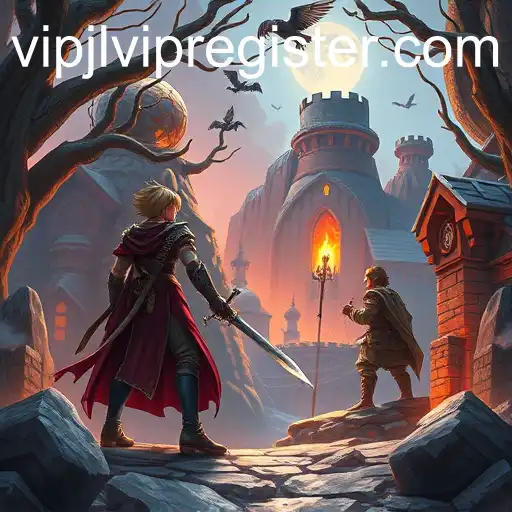
Role-playing games, commonly known as RPGs, have enthralled players for decades, fostering a unique blend of storytelling, strategy, and immersive gameplay. As one of the most versatile and beloved game genres, RPGs offer endless possibilities and adventures across fantastical worlds. In this article, we will dive into what makes RPGs so captivating and explore the key elements that define this popular genre.
At their core, RPGs are defined by their role-playing mechanics, where players assume the roles of characters within a fictional setting. This genre encourages character development through storytelling and decision-making processes that affect the game’s outcome. These decisions immerse players into every narrative twist and encourage them to empathize with their digital avatars.
One of the most alluring aspects of RPGs is their elaborate world-building. From lush medieval landscapes to futuristic dystopian settings, RPGs transport players to intricate universes teeming with history, lore, and opportunity for exploration. Gamers often find themselves irresistibly drawn into these vivid settings, eager to uncover secrets and engage with fascinating NPCs (non-player characters).
Additionally, RPGs typically feature complex progression systems, where players can customize and enhance their characters through skill trees, equipment upgrades, and attribute points. This element of personalization allows players to tailor their experiences and strategies, making each gameplay unique. Whether it’s upgrading a warrior’s combat skills, a mage’s spellbook, or a rogue’s stealth abilities, the depth of customization in RPGs ensures a fresh experience every time.
The social aspect of RPGs must not be overlooked. Many RPGs offer multiplayer features that foster teamwork and collaboration, enabling players to embark on quests with friends. This cooperative gameplay enriches the overall experience and establishes lasting connections among players.
As we delve deeper into new technological advancements, RPGs continue to evolve. The integration of virtual reality is creating even more immersive experiences, allowing players to physically step into the shoes of their characters. This innovation is expanding the boundaries of player interaction with the gaming world.
In conclusion, RPG games provide a unique combination of rich storytelling, strategic gameplay, and immersive experiences. These qualities ensure that RPGs remain a prevalent and dynamic genre within the gaming community. As developers continue to push the boundaries of creativity and technology, players eagerly await the next wave of RPG adventures.
